By Deborah Chan | 15.4.26
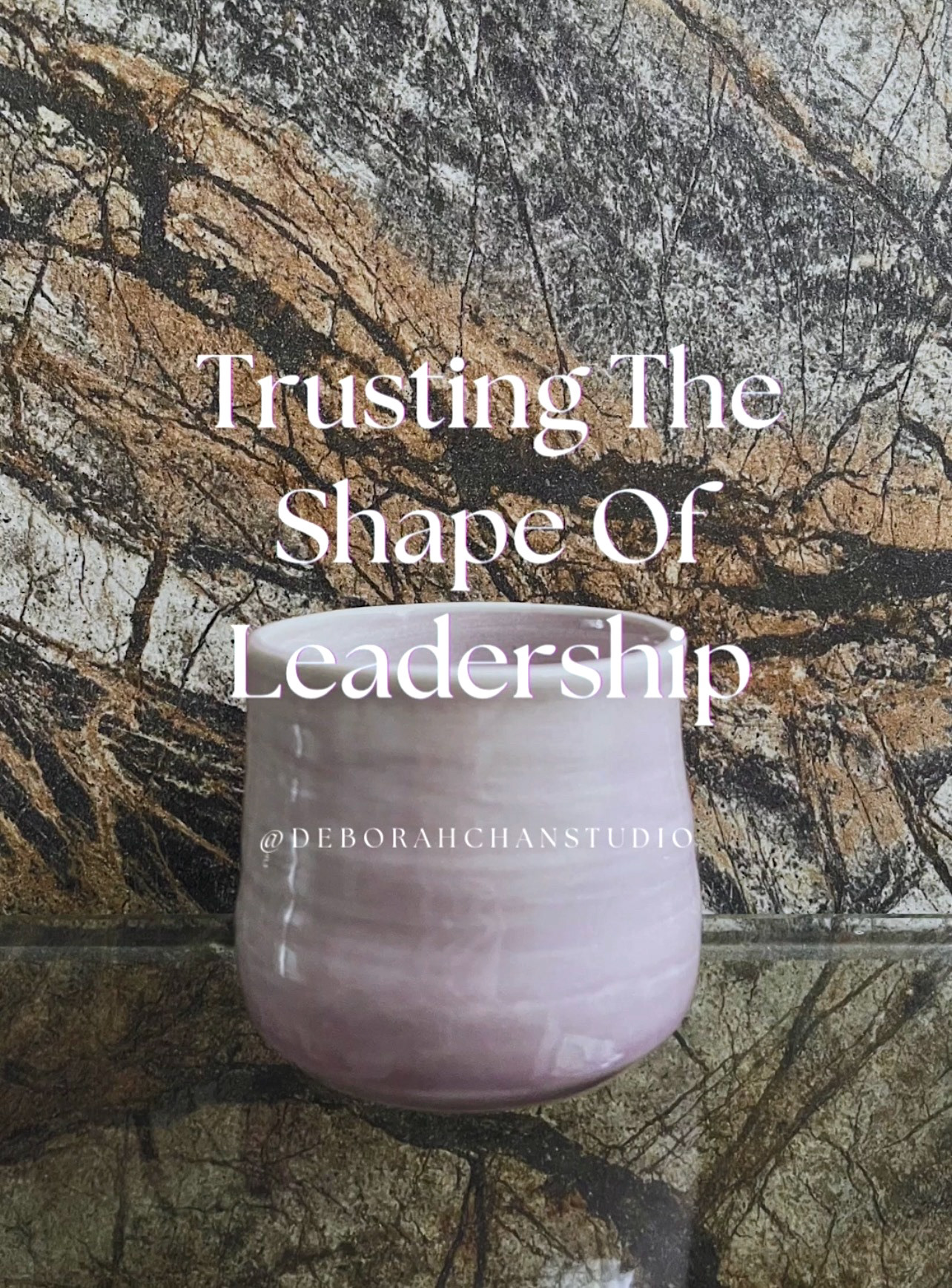
In The Potter's Hands: Trusting The Shape Of Leadership.
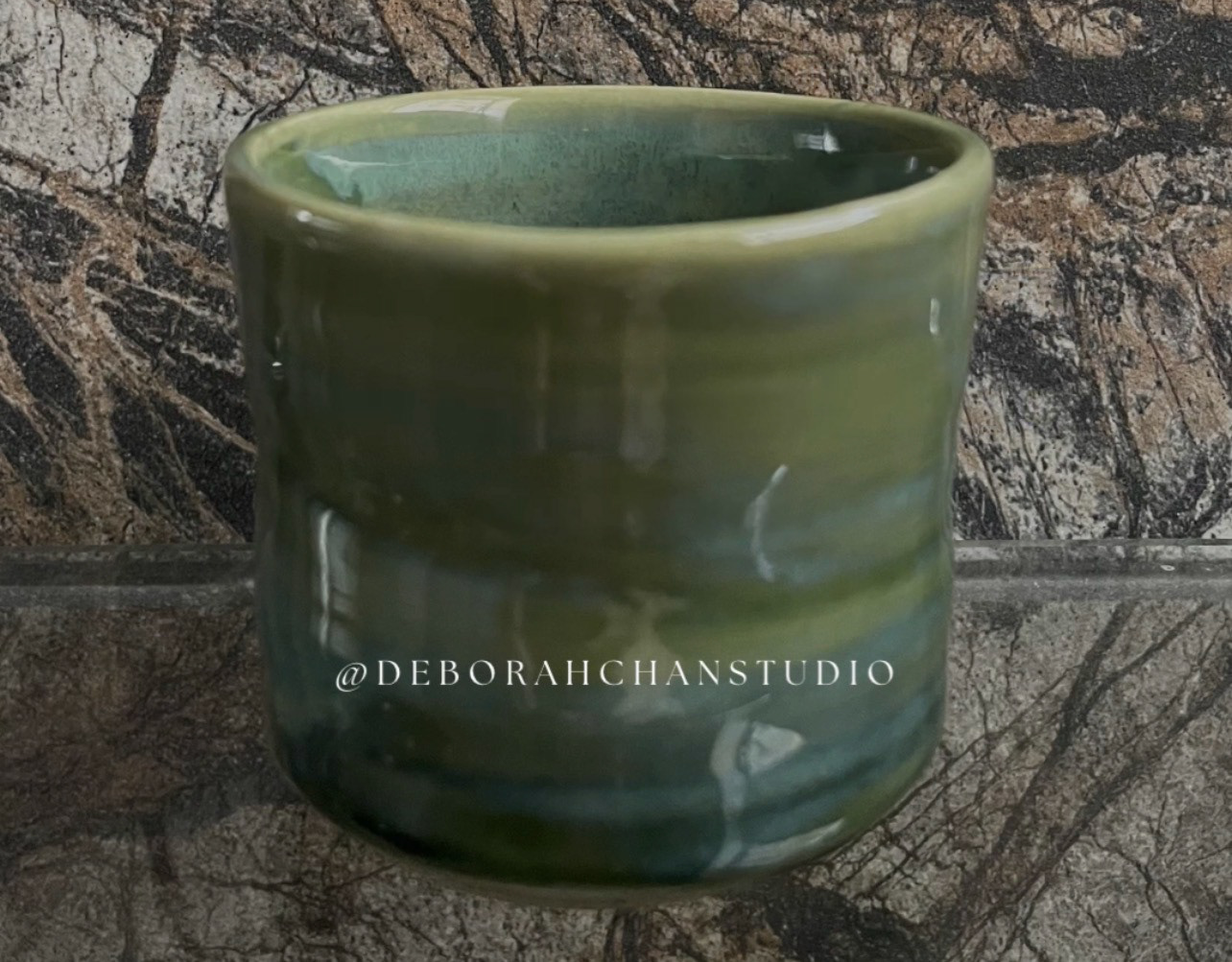
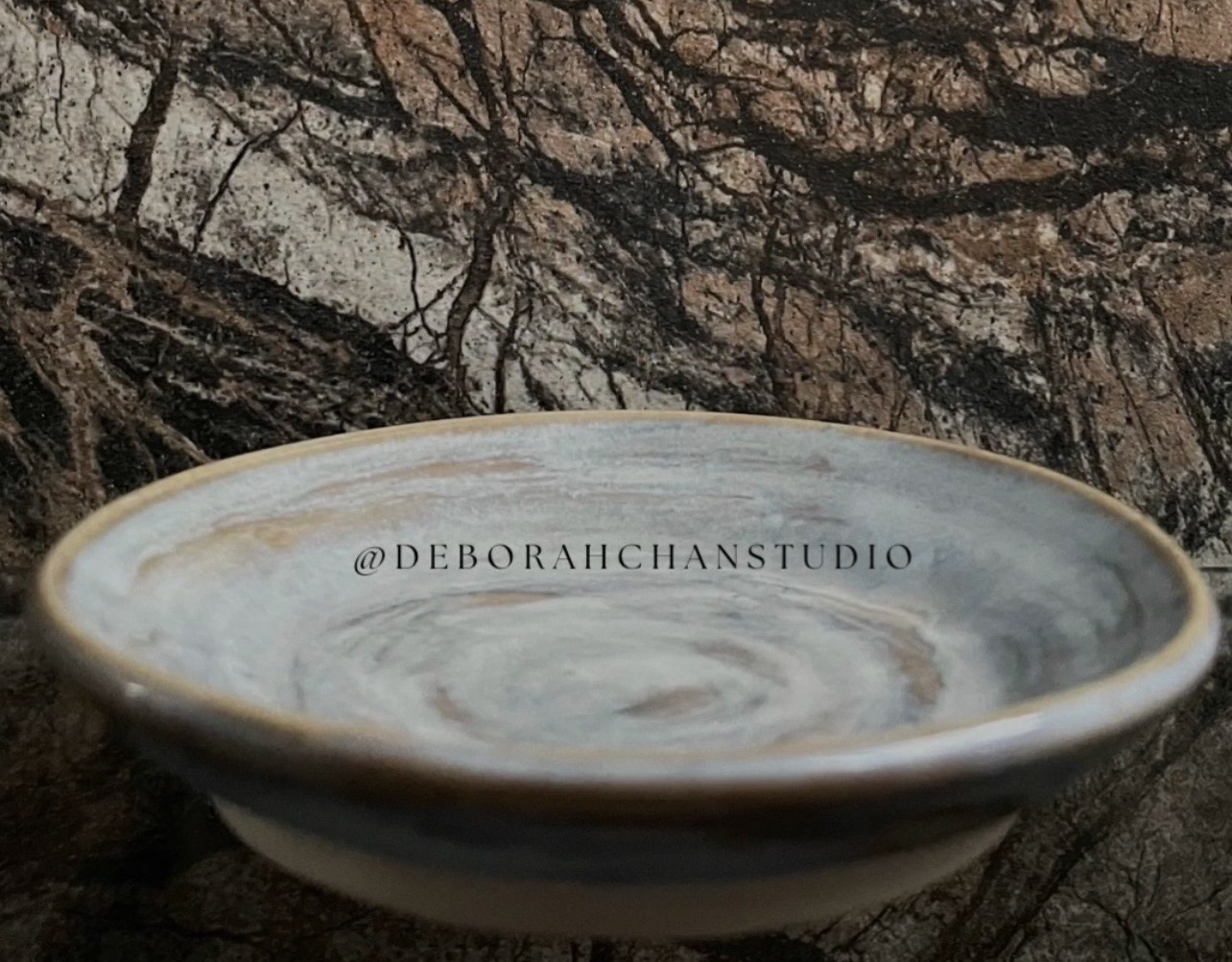
There is a quiet, almost invisible relationship at the heart of pottery—the trust of the clay in the hands of the potter. The clay does not resist the wheel, nor does it question the pressure applied to it. It yields, it responds, it allows itself to be shaped. In that surrender, something beautiful begins to form.
Leadership, in its truest sense, unfolds in much the same way. It is not only about shaping others, but also about allowing ourselves to be shaped—through trust, through process, and through an unwavering commitment to goodness.
The Courage To Yield
To grow as a leader requires the courage to yield to the journey. Like clay, we are placed in situations that stretch us—moments of uncertainty, seasons of challenge, and encounters that press firmly against our comfort.
These are the hands of the potter.
They do not always feel gentle, yet they are intentional. Trusting the journey means believing that the pressure we experience is not random, but purposeful. It is shaping discernment, deepening empathy, and strengthening resolve.
Without this trust, we resist. And in resisting, we limit what we can become.
The Wisdom Of Being Formed
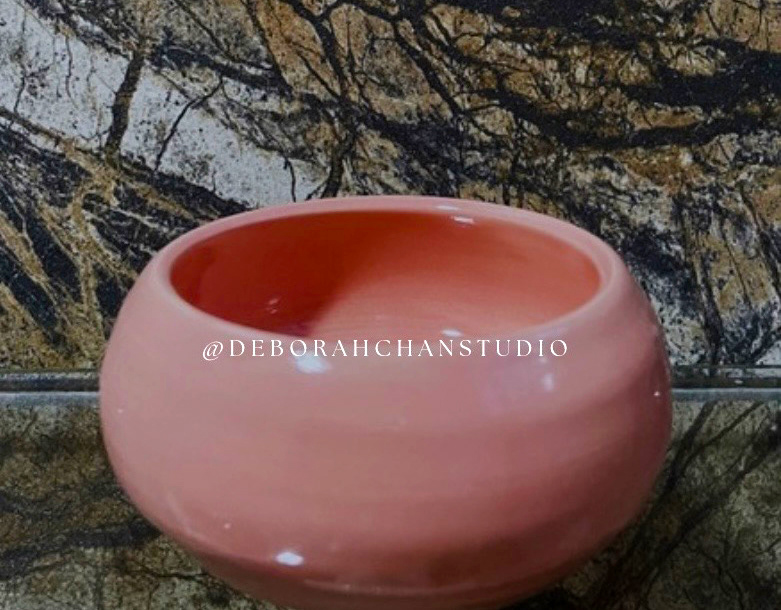
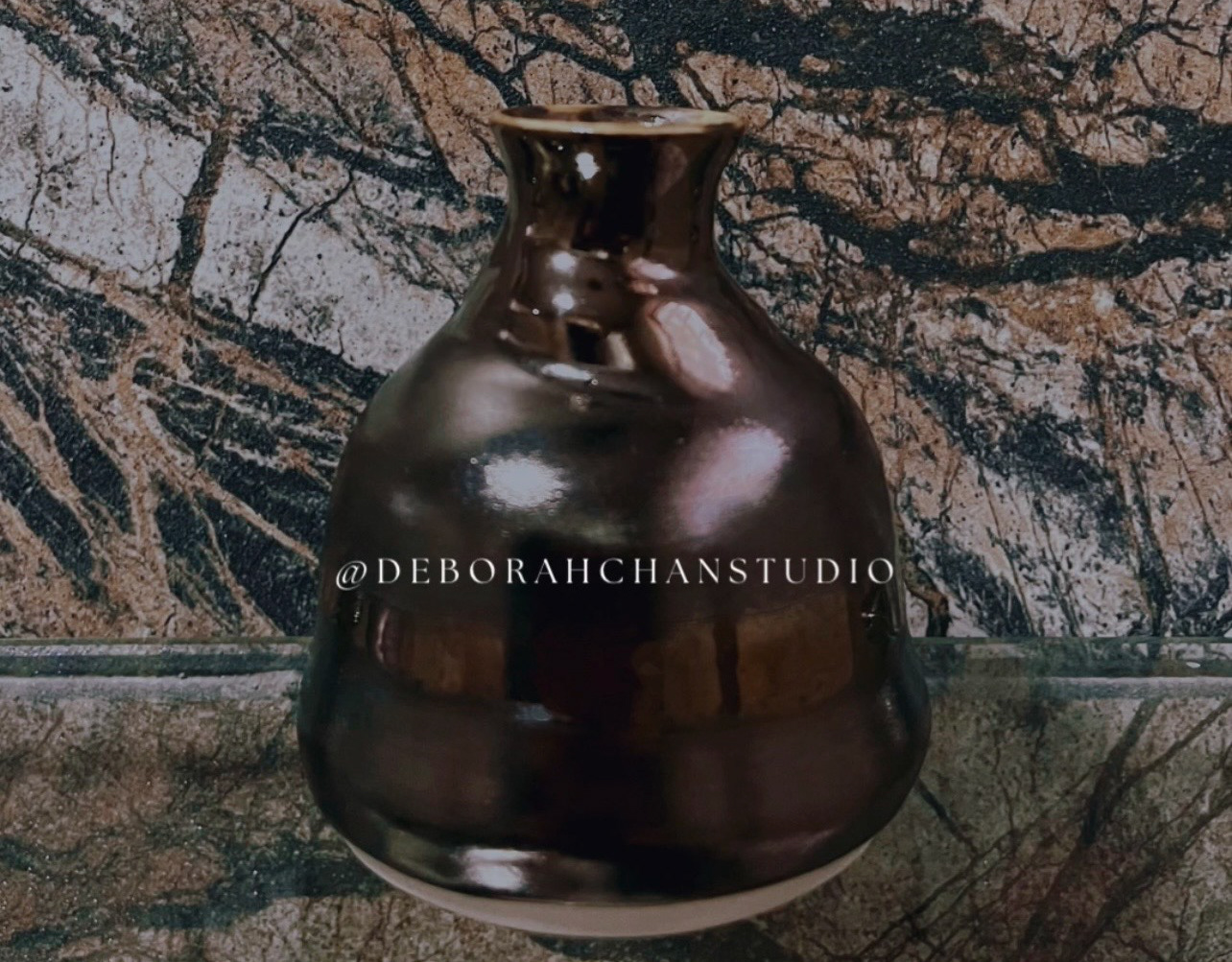
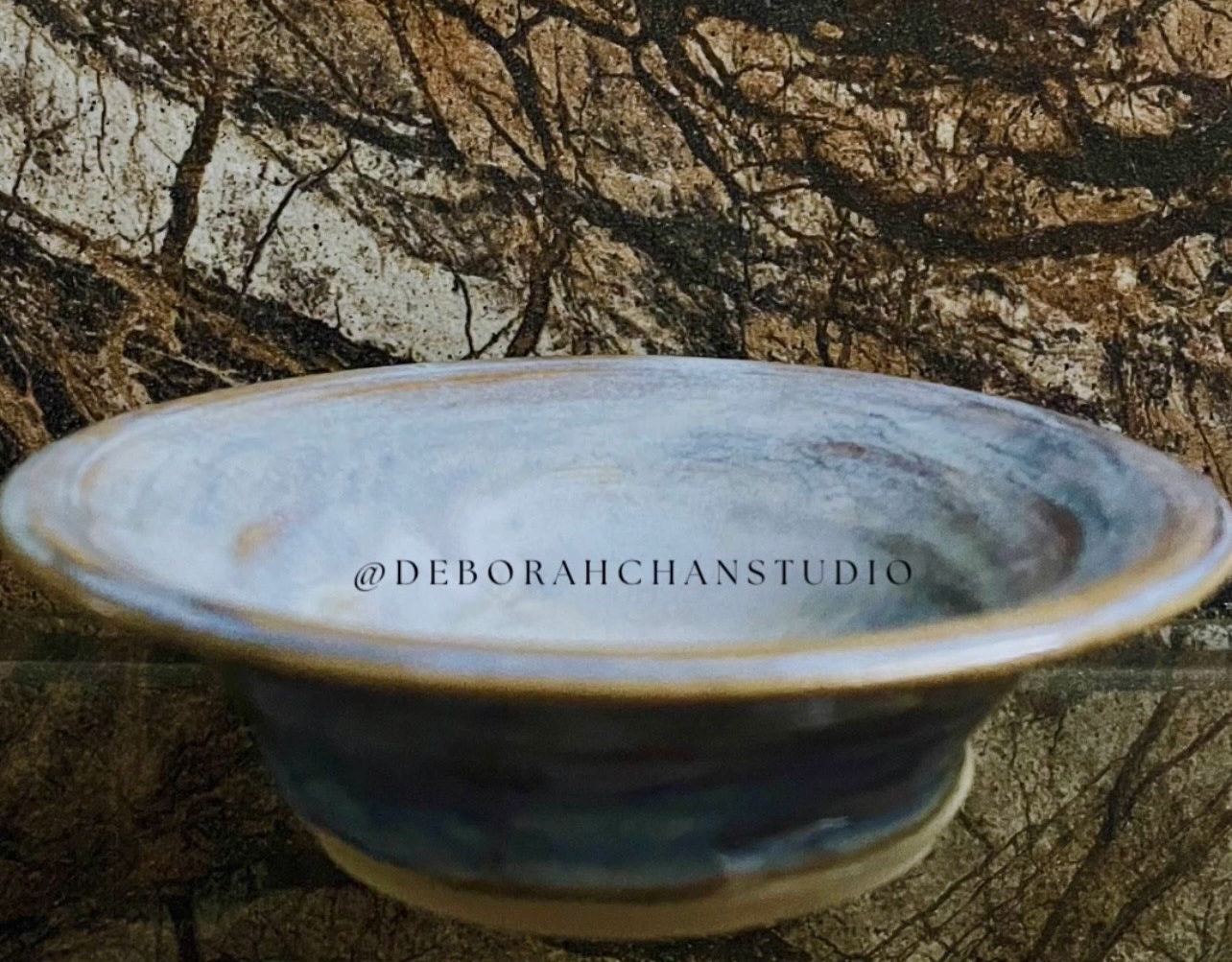
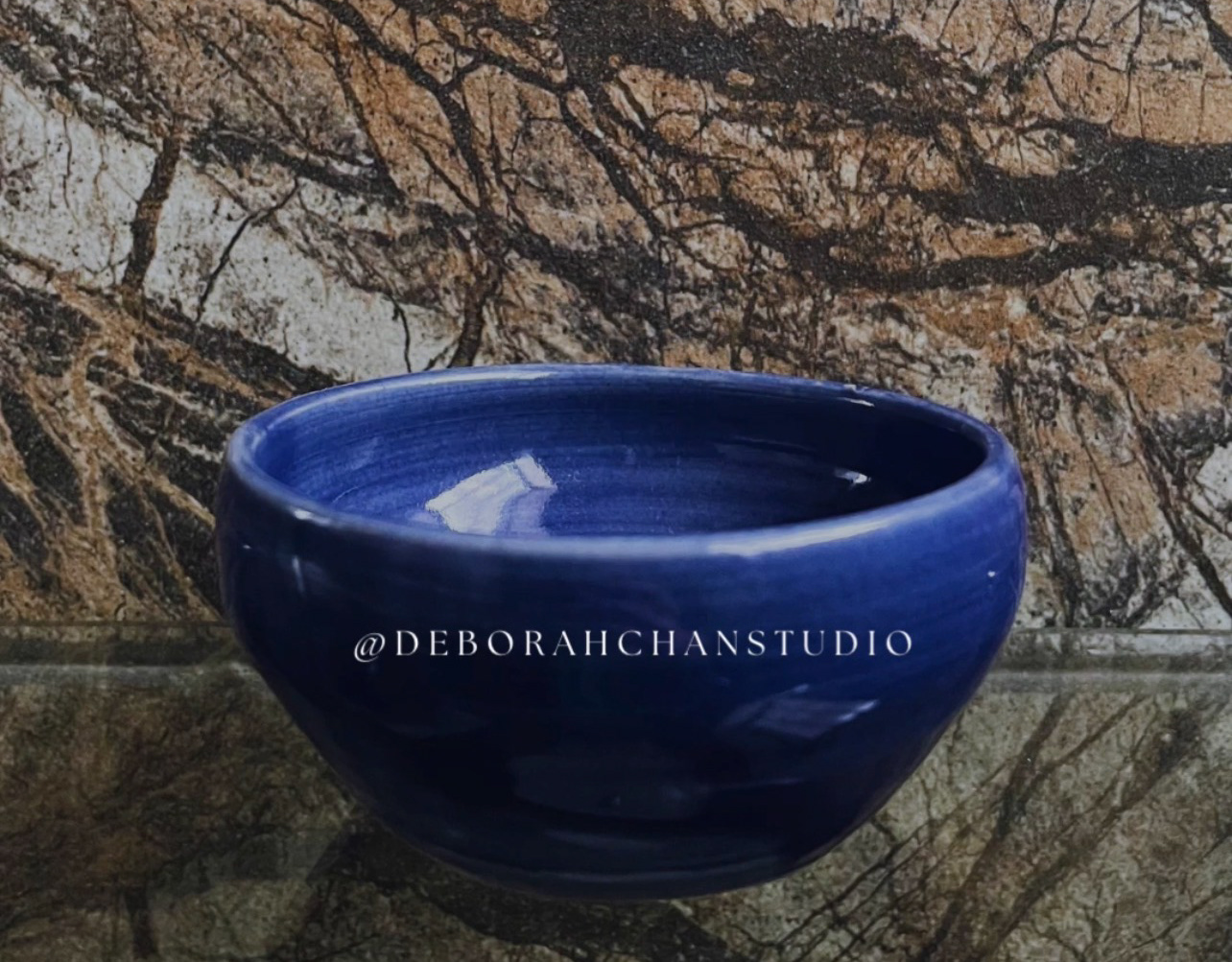
Clay does not demand to know what it will become. A bowl, a vase, or something entirely unexpected—it trusts the vision of the potter.
In leadership, uncertainty often feels unsettling. We want clarity, quick outcomes, and defined paths. But growth rarely works that way. The journey shapes us before it reveals us.
When leaders embrace this uncertainty, they begin to understand that not knowing is not weakness—it is part of being formed. Each experience, whether success or failure, contributes to a design not yet fully visible.
Goodness plays a quiet role in this stage. It is found in choosing authenticity over appearance. It is resisting the temptation to lead for recognition, and instead leading with purpose.
To trust the process is to believe that who we are becoming matters more than how we are perceived.
The Strength In Softness
Clay’s greatest strength lies in its softness. If it were rigid, it would crack under pressure rather than transform.
Leadership often celebrates strength, but rarely acknowledges the power of softness. This softness appears as humility, openness, and a willingness to learn. These are not weaknesses—they are the very qualities that allow growth to happen.
Trusting the process requires this kind of strength. Integrity strengthens this softness. It keeps leaders grounded, ensuring that adaptability does not become compromise. A leader who is both flexible and principled can withstand pressure without losing shape.
Where Goodness Is Proven
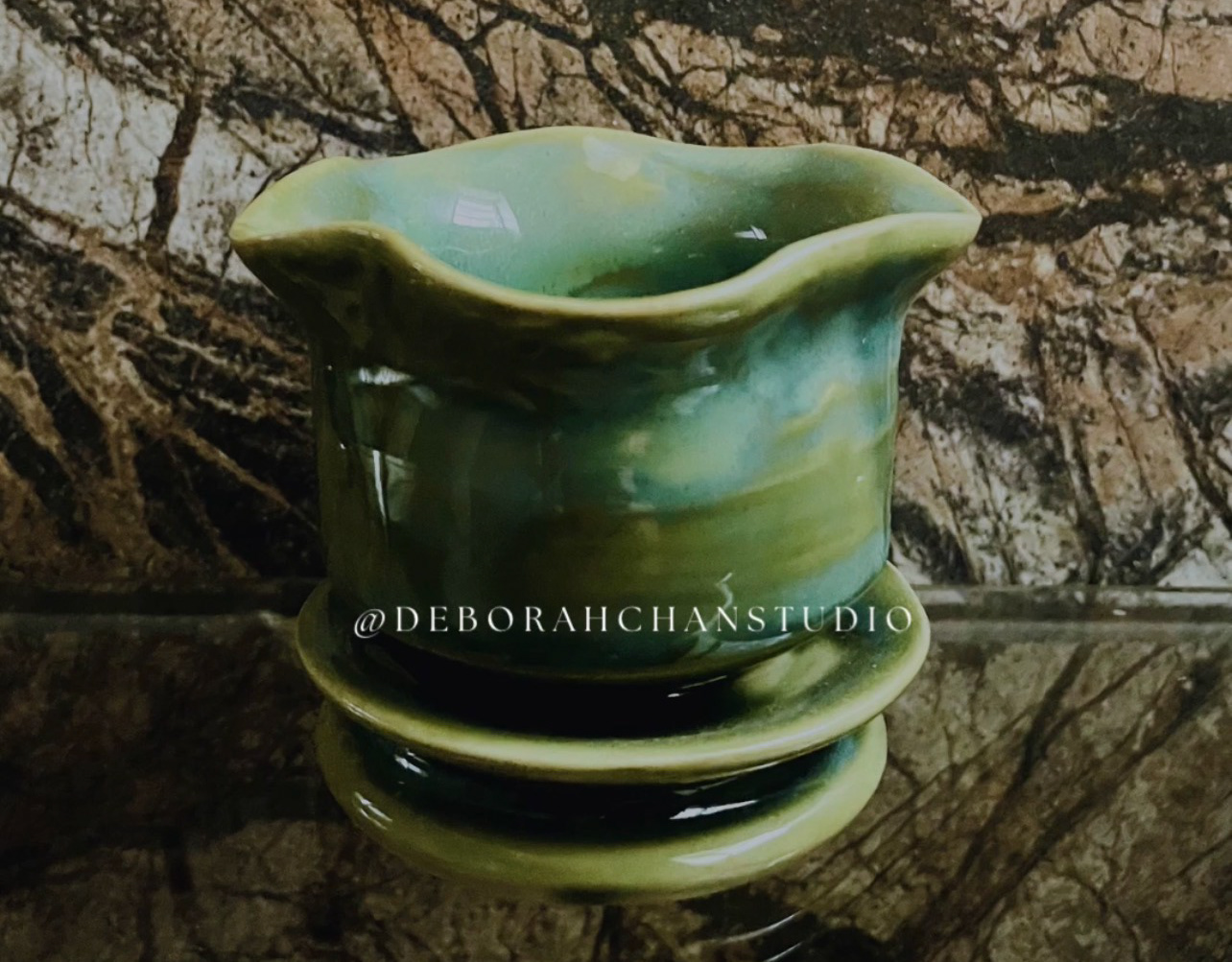
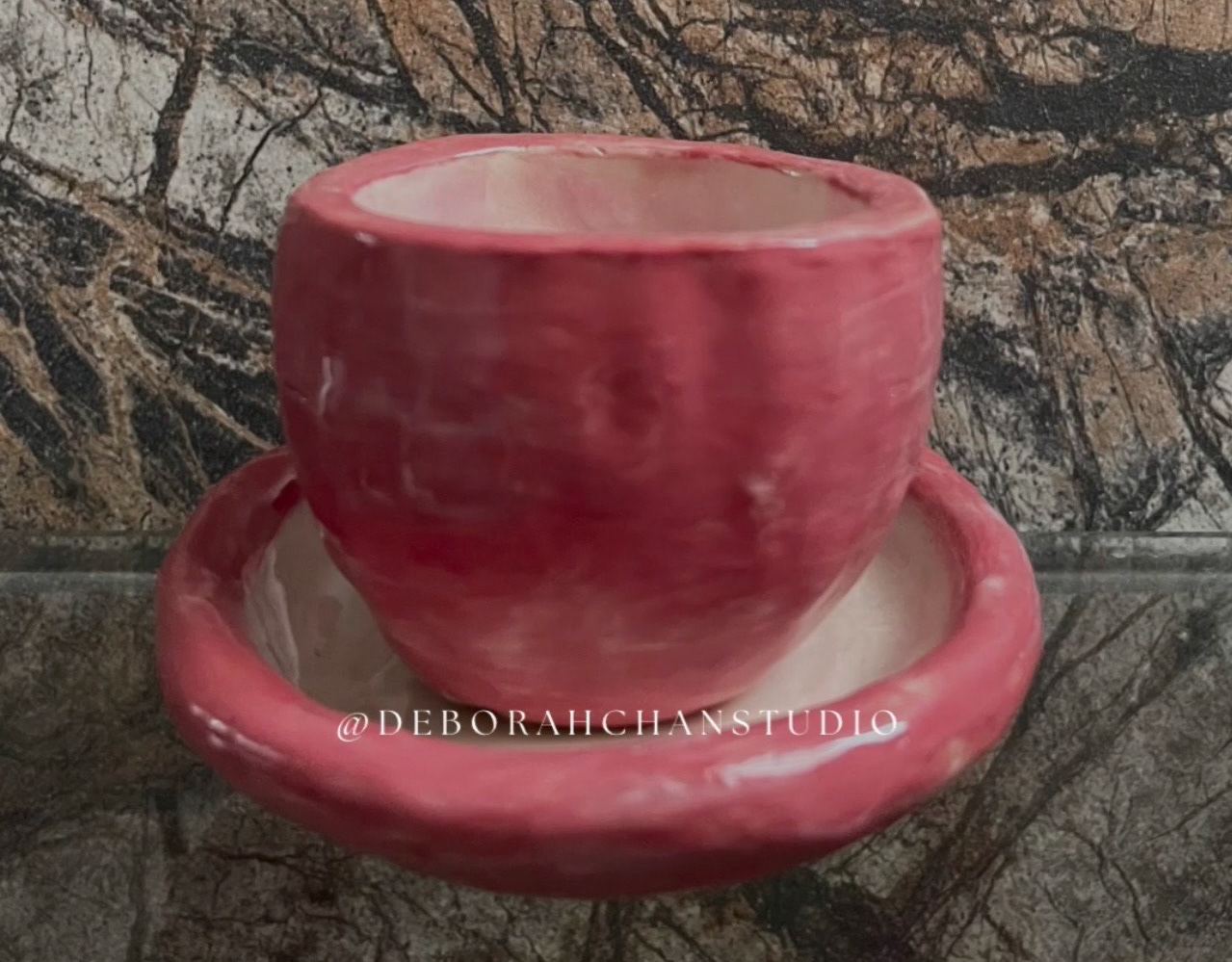
The kiln is where pottery is tested by fire. What was once fragile becomes strong, but only through enduring intense heat.
Leadership, too, is refined through trials. Difficult decisions, ethical dilemmas, and moments of failure act as the fire that reveals true character.
This is where goodness is no longer theoretical—it is proven.
Integrity under pressure builds trust. Not instantly, but steadily. Each right decision, each consistent action, reinforces credibility. Just as a well-fired piece of pottery holds its form, a leader grounded in goodness remains steady in adversity.
Becoming Our True Selves
In the end, the clay becomes something it could never have become on its own—not because it lost itself, but because it trusted the process and the hands that shaped it.
Leadership is no different.
It is not about becoming someone else, but about becoming fully who we are meant to be—through trust, through shaping, and through a steadfast commitment to goodness.
To embrace the journey is to accept that the pressure has purpose, the process has meaning, and integrity is the foundation that holds it all together.
Like clay in the potter’s hands, a leader shaped by trust and grounded in goodness does not merely take form—they become a vessel of strength, purpose, and lasting impact.
Disclaimer: This content was created with the assistance of artificial intelligence. All concepts, ideas, and themes are solely owned and originated by the author. The AI tool was used solely as a writing aid and does not claim ownership of the concepts or creative direction.