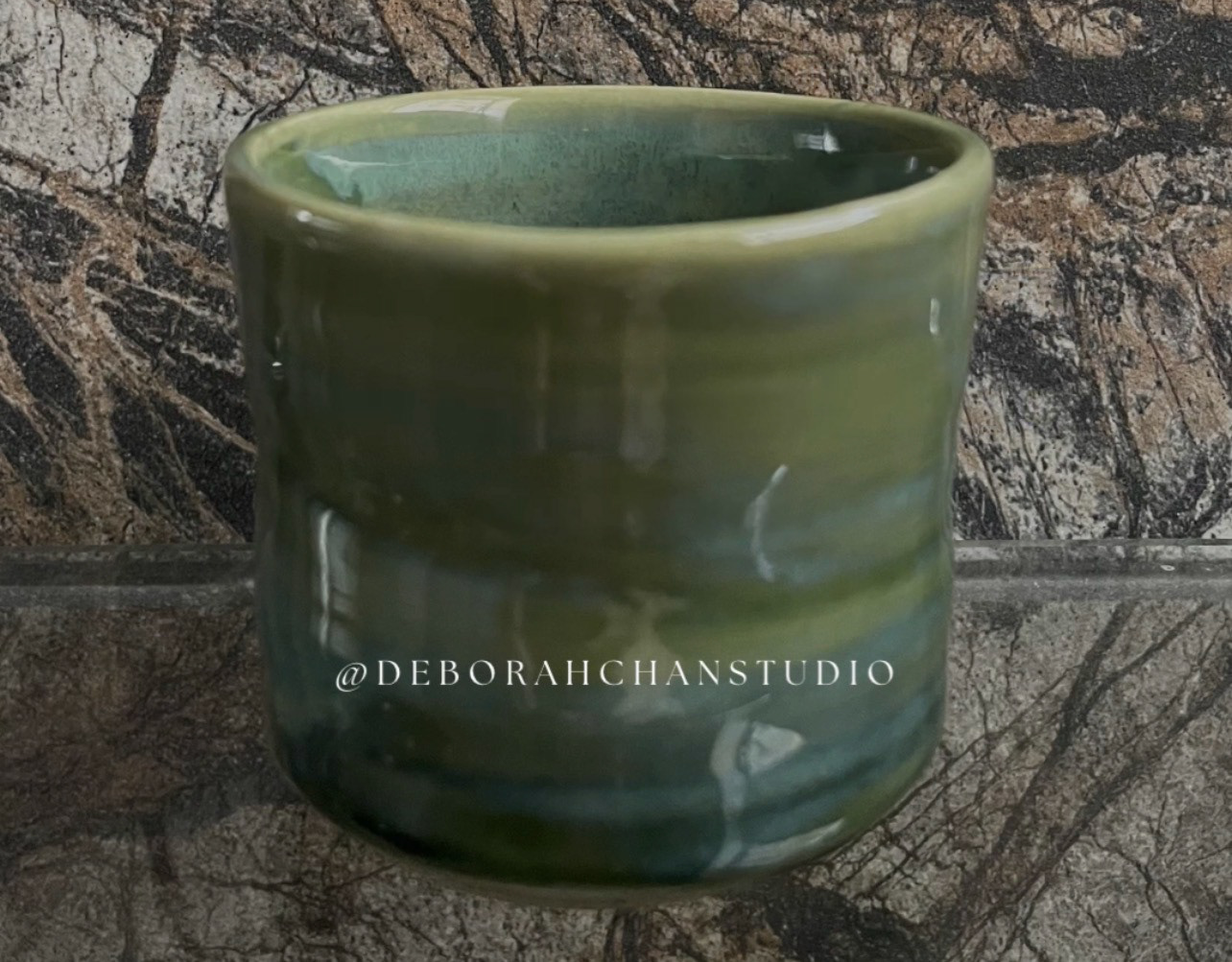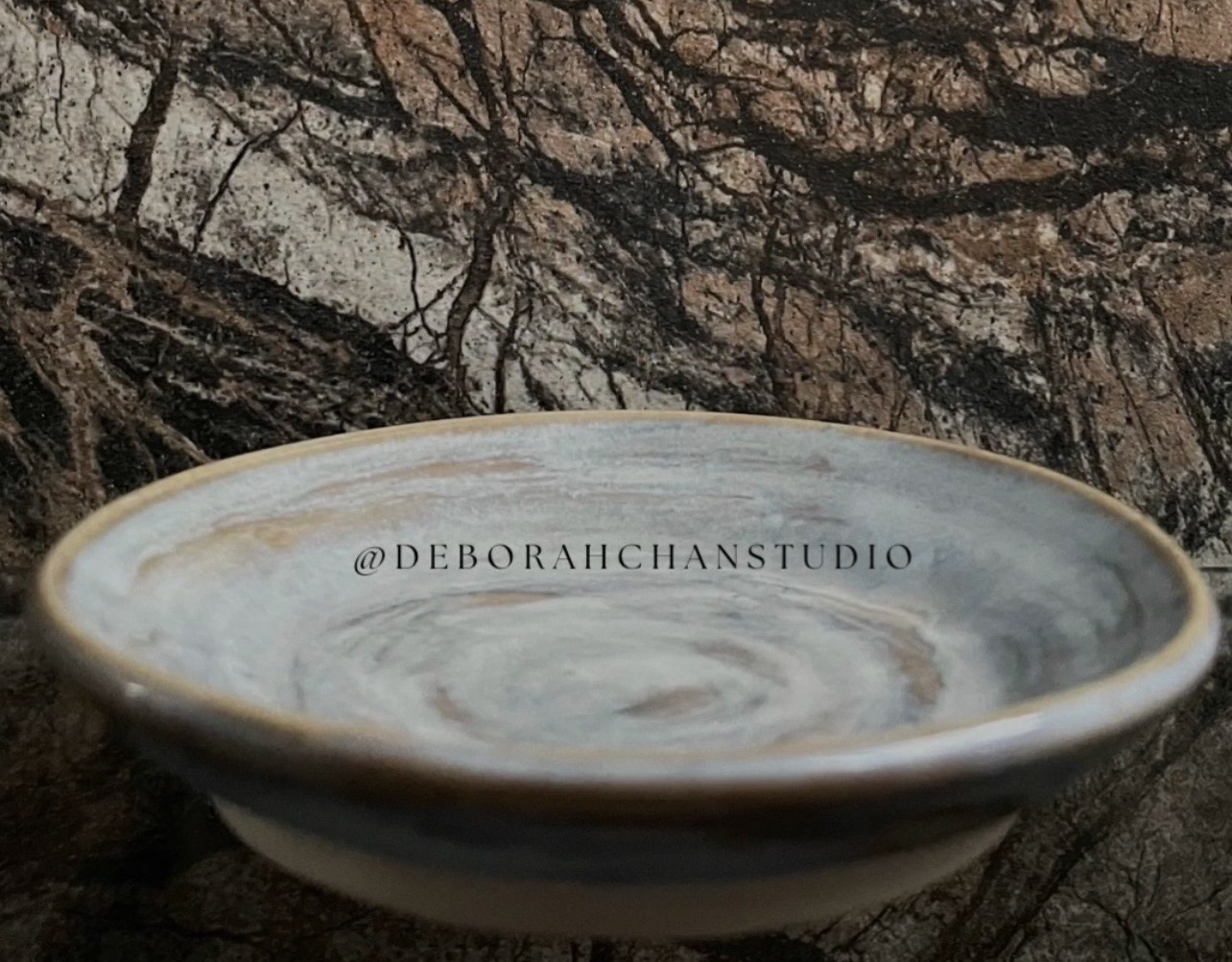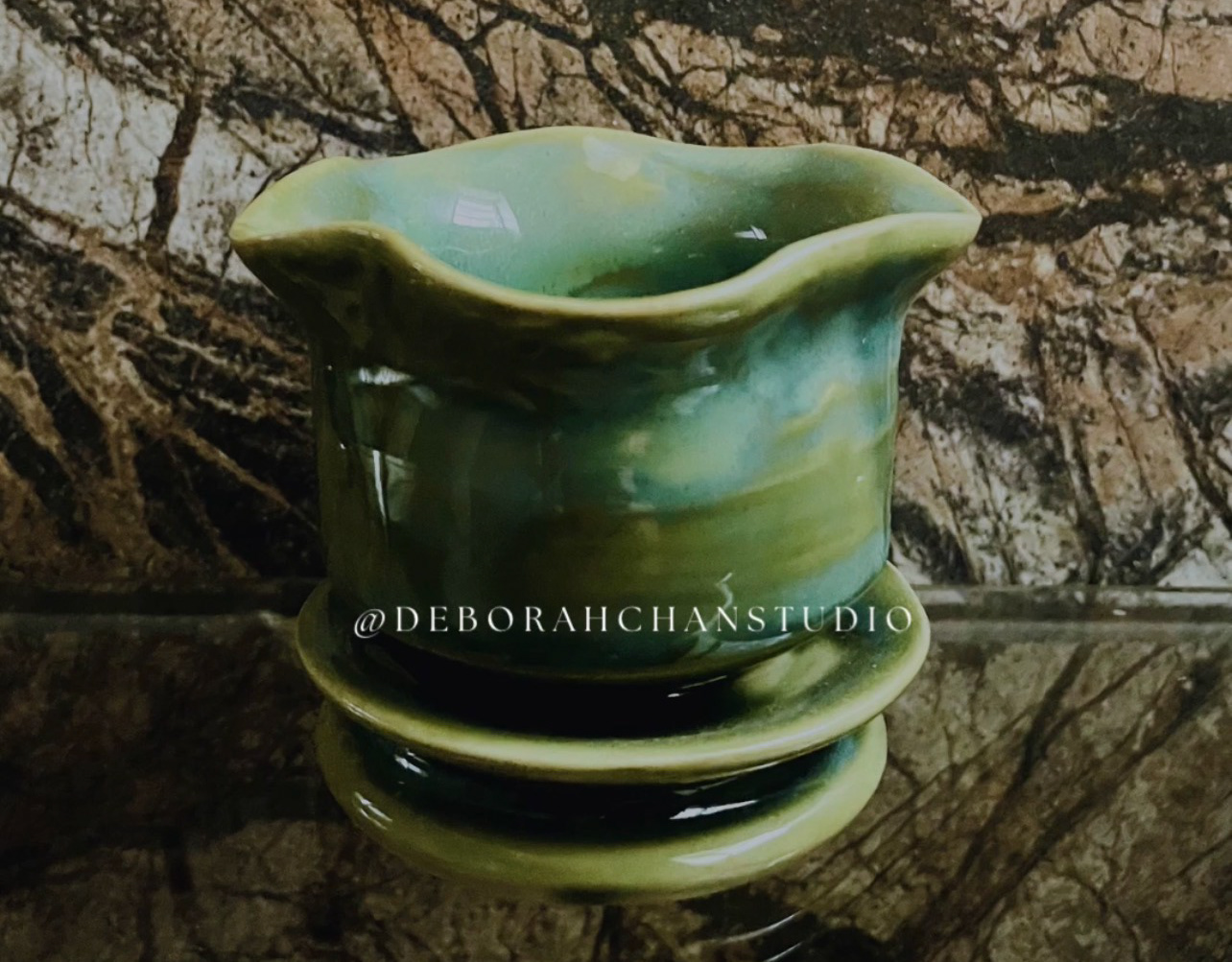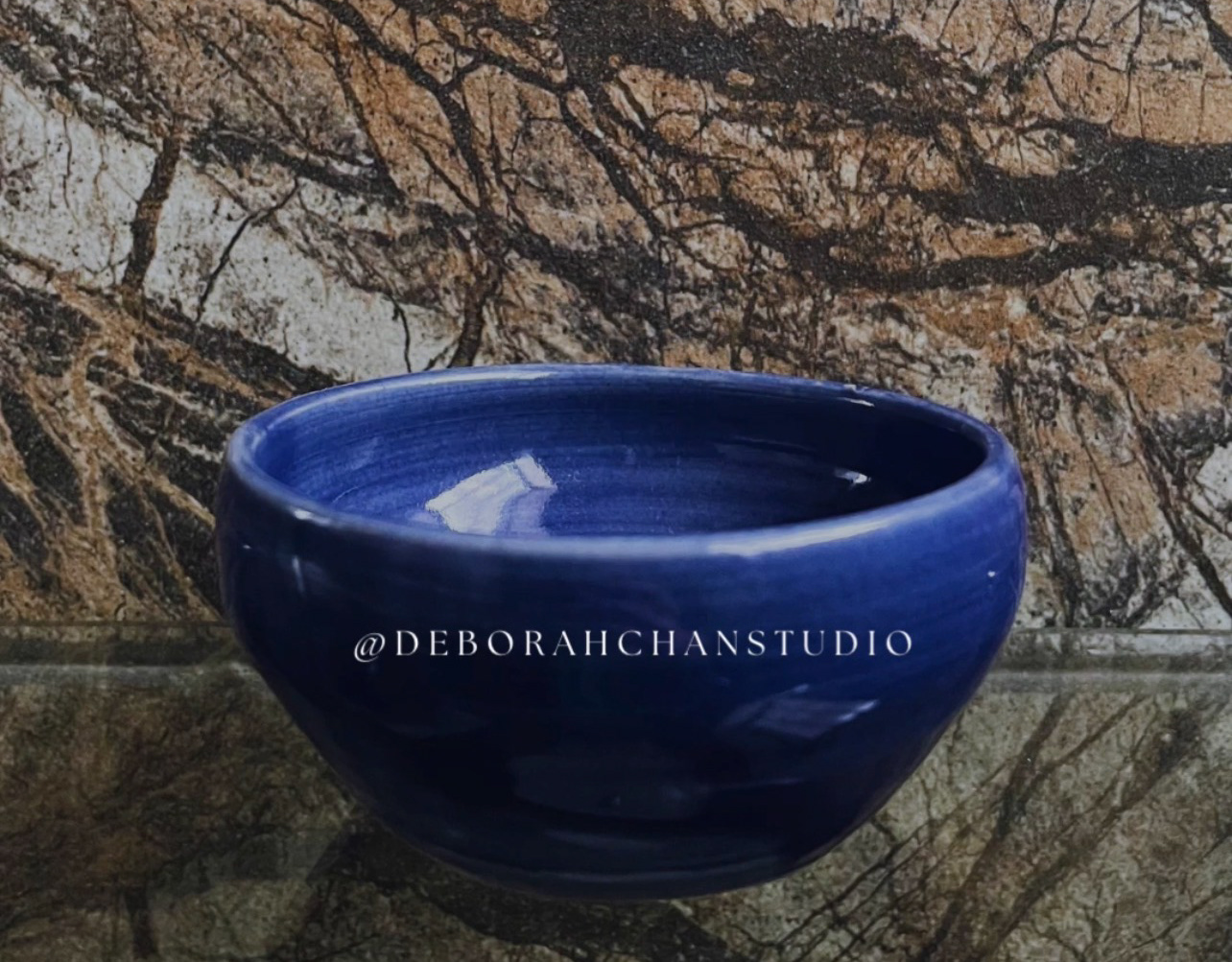
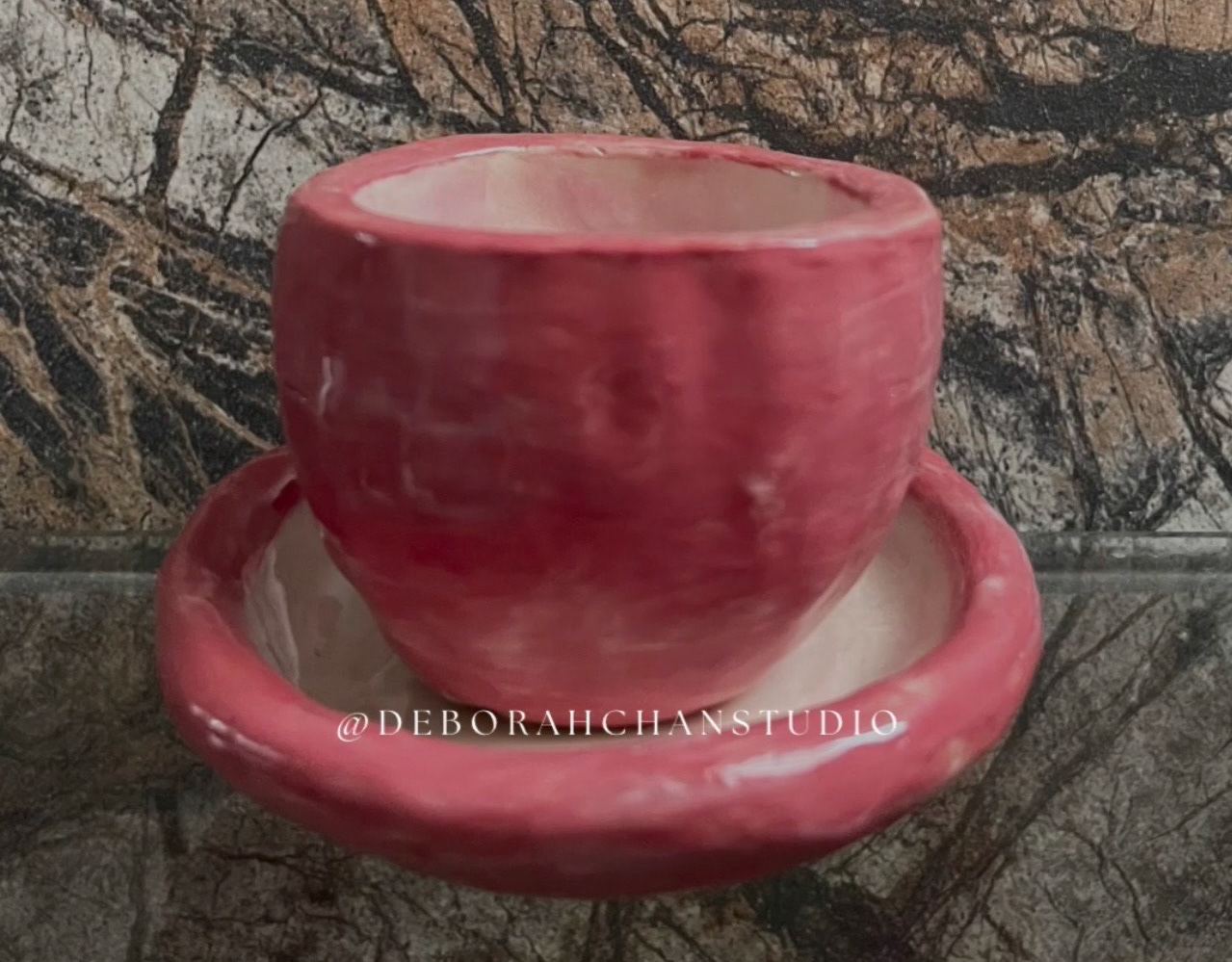
By Deborah Chan | 25.3.26
Shaping Leaders in a Noisy World:
What Pottery Teaches Us About Art, Love, and Leadership
We are living in an age of relentless noise — opinions shouted across digital platforms, criticism sharpened into spectacle, and truth often obscured by layers of distortion. Leadership, in such a climate, can feel less like guidance and more like survival. Yet, perhaps the answer is not found in louder voices or sharper defenses, but in something quieter, older, and profoundly human: the art of making.
Consider pottery.
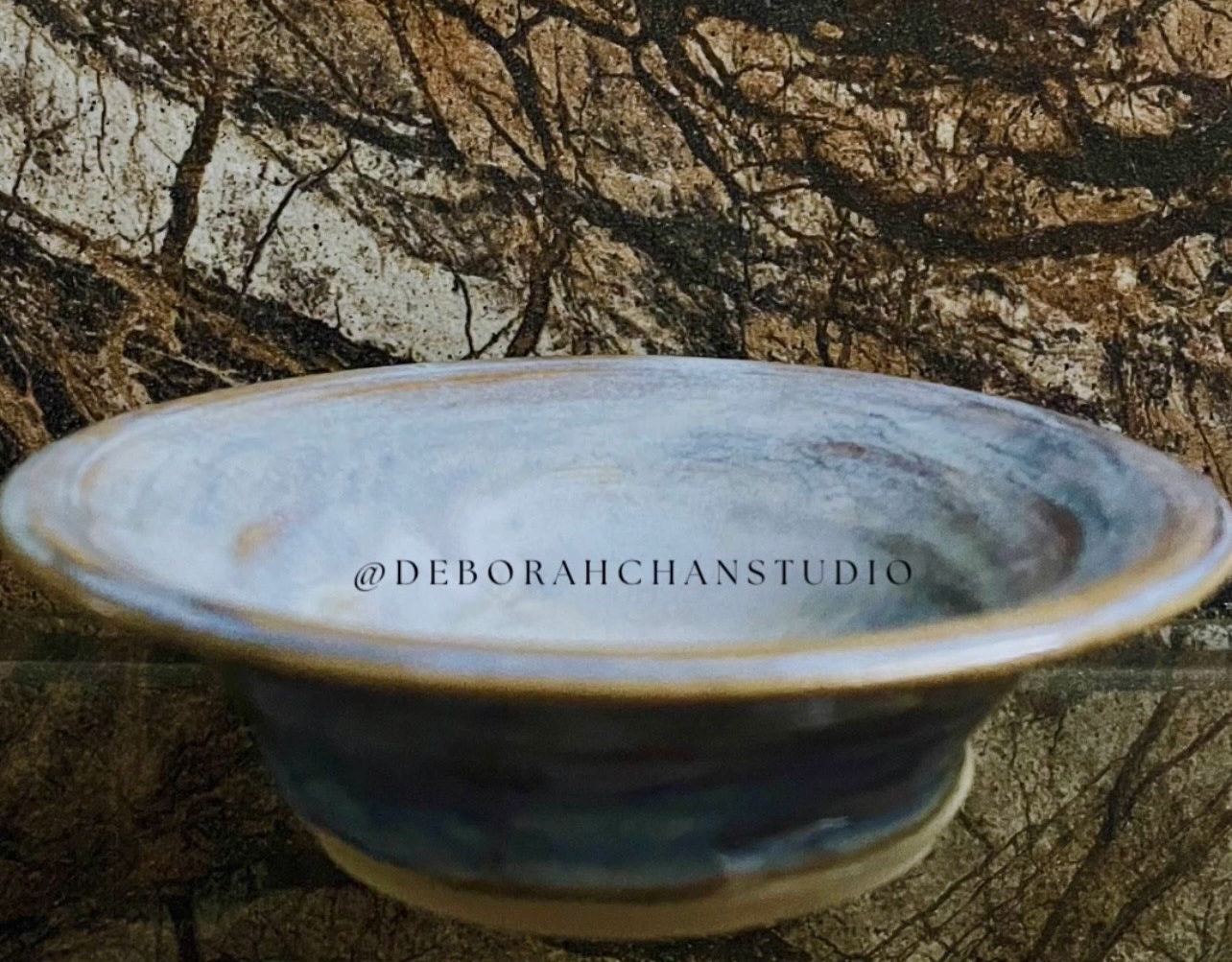
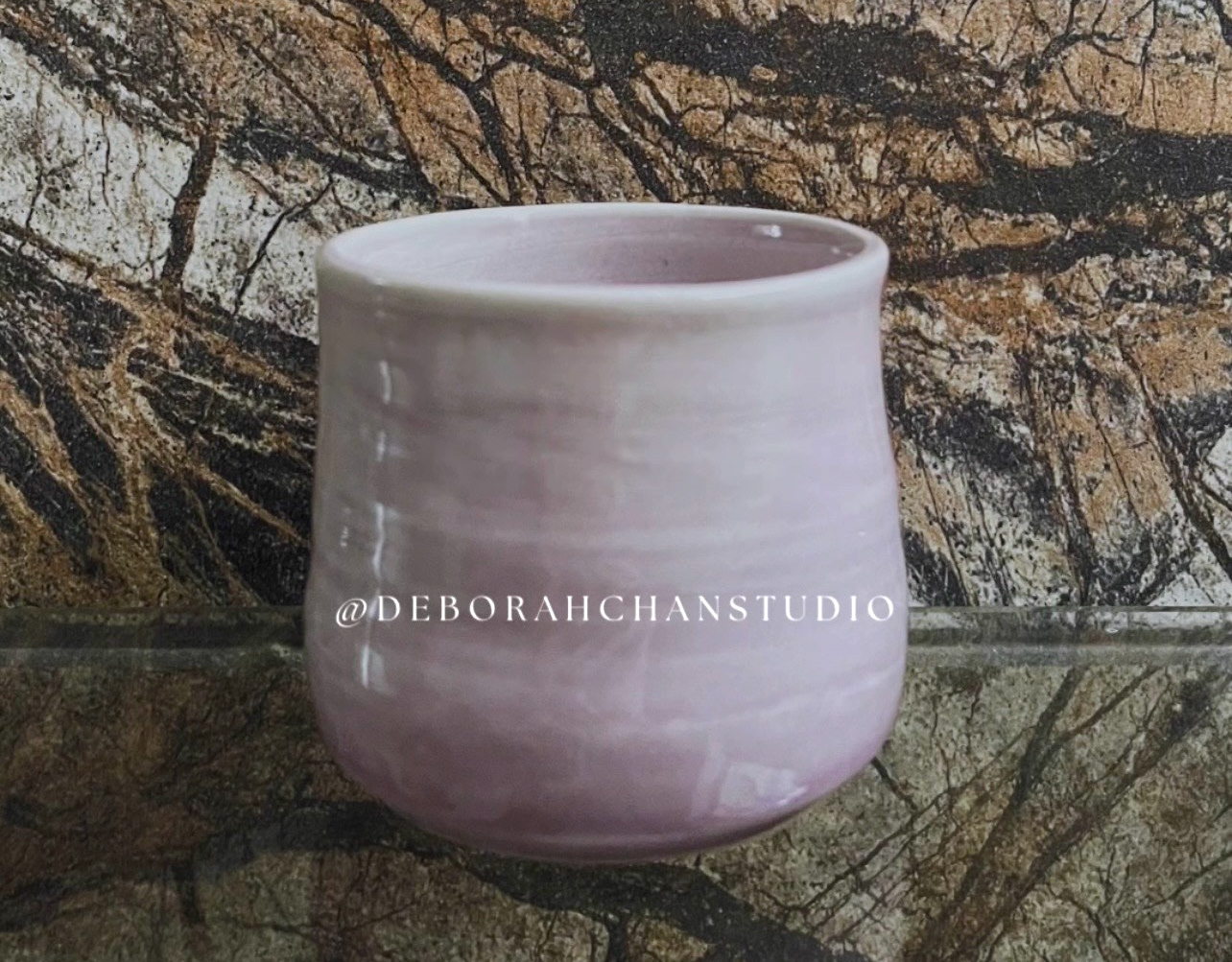
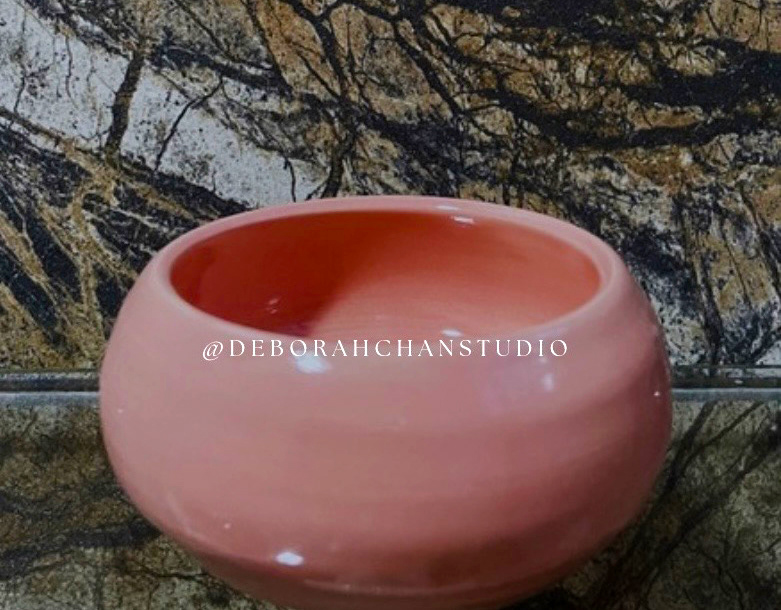
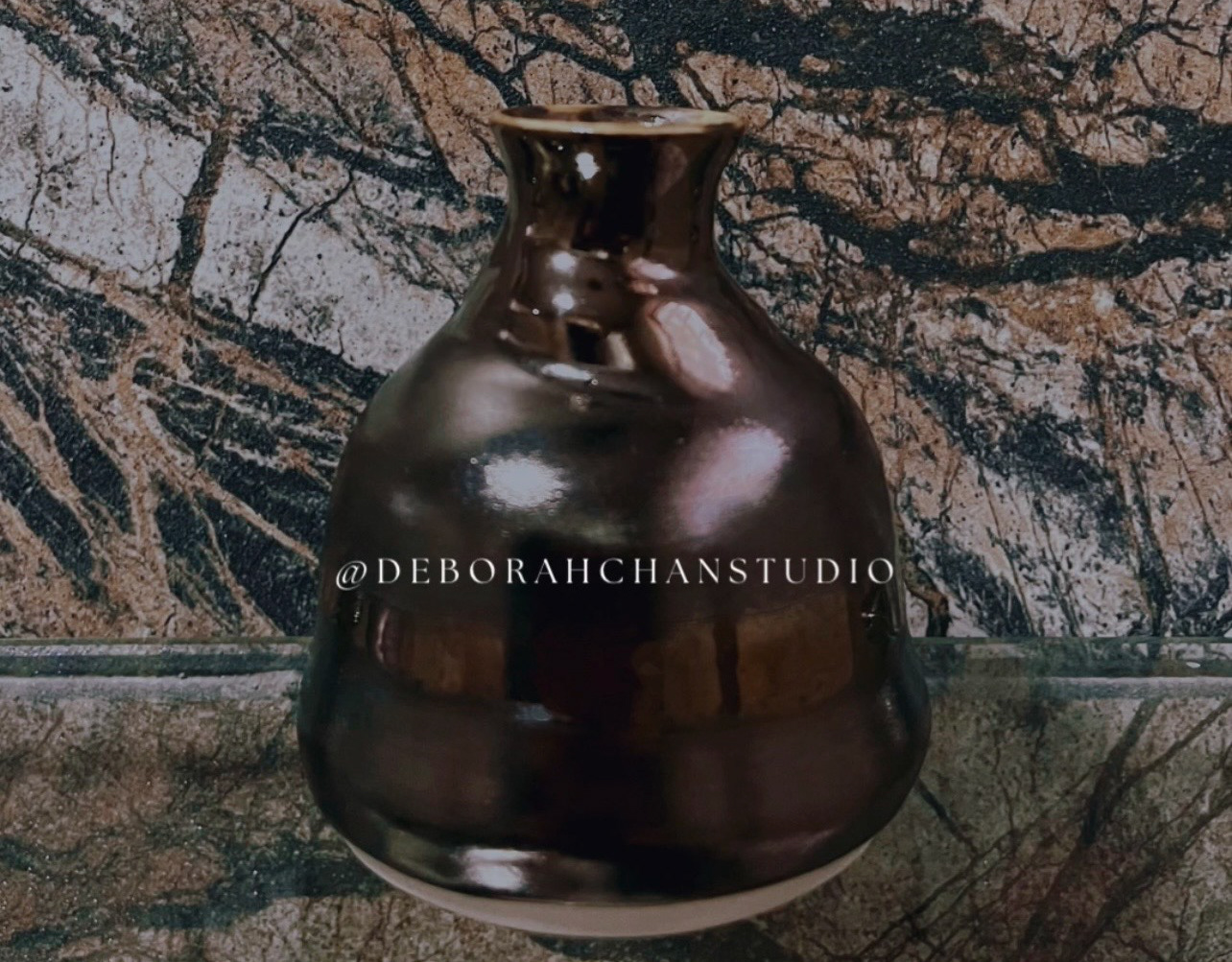
At first glance, pottery is simple — clay, water, hands, and fire. But step into the process, and it becomes a masterclass in leadership, creativity, and love.
Centering the Clay
Every potter begins with centering. The clay, soft and unformed, resists at first. It wobbles under uneven pressure. Only through steady hands, patience, and calm focus does it come into balance.
Leadership begins the same way.
In a world of competing narratives and constant disruption, the first responsibility of a leader is to be centered. Not reactive, not pulled in every direction by criticism or praise, but grounded. Centering requires inner work — clarity of values, emotional steadiness, and the discipline to pause before responding.
Without centering, everything collapses.
Shaping with Intention
Once centered, the clay begins to rise. The potter doesn’t force it; they guide it. Too much pressure, and the walls collapse. Too little, and the form remains stunted.
Leadership is not control — it is guidance.
In environments filled with noise and harsh judgment, it is tempting to tighten grip, to micromanage, to push harder. But shaping people, teams, and ideas requires sensitivity. It asks: Where is pressure needed? Where is space needed?
Great leaders, like great artists, develop a feel for this balance. They don’t just build outcomes; they cultivate growth.
Embracing Imperfection
No piece of pottery emerges flawless. There are uneven edges, unexpected textures, subtle asymmetries. These are not failures— they are signatures of the human hand.
In leadership, perfection is often the illusion that breeds fear.
When criticism is loud and constant, the instinct is to hide flaws, to present polished surfaces at all costs. But what if leadership embraced imperfection instead? What if authenticity replaced performance?
Teams don’t need flawless leaders. They need real ones — leaders who acknowledge mistakes, learn openly, and create space for others to do the same.
Imperfection, handled with honesty, builds trust.
The Fire That Transforms
Clay must pass through fire to become durable. Without it, the vessel dissolves at the first touch of water.
The fire is unavoidable.
For leaders, the fire comes in the form of conflict, criticism, failure, and uncertainty. It is here, in the heat, that character is revealed and strengthened. The temptation is to avoid the fire to retreat, deflect, or harden defensively.
But transformation requires endurance.
Leaders who move through the fire with integrity emerge stronger, not just in capability, but in credibility. They become vessels that can hold weight — responsibility, trust, and vision.
Leading with Love in a Harsh Climate
Perhaps the most radical element in both art and leadership today is love.
Not sentimentality, but a steady commitment to care — for people, for truth, for meaningful work. In a climate filled with deception and criticism, love becomes an act of resistance. It chooses patience over reaction, understanding over assumption, and purpose over ego.
The potter does not fight the clay. They work with it.
Similarly, leadership rooted in love does not seek to dominate or outshout the noise. It seeks to create spaces where people can think clearly, speak honestly, and grow courageously.
Creating Amid the Noise
The world may not grow quieter anytime soon. The noise, the criticism, the distortions — they are part of the landscape we must navigate.
But pottery reminds us of something essential: meaningful creation does not require silence; it requires focus.
Leaders, like artists, must learn to tune out what does not serve the work. Not by ignoring reality, but by refusing to let chaos dictate their actions. They return, again and again, to the wheel — to the steady rhythm of purpose, values, and care.
The Vessel We Leave Behind
In the end, both pottery and leadership ask the same question: What are you shaping, and what will it hold?
A vessel is not valuable simply because it exists, but because of its capacity to carry water, to nourish, to serve.
Leadership is no different.
In a world of noise, deception, and harsh judgment, the leaders who endure will not be those who shouted the loudest, but those who shaped something meaningful — communities grounded in trust, cultures rooted in authenticity, and systems guided by love.
Like a well-crafted piece of pottery, their impact will be quiet, resilient, and deeply human.
And long after the noise fades, it will still hold.