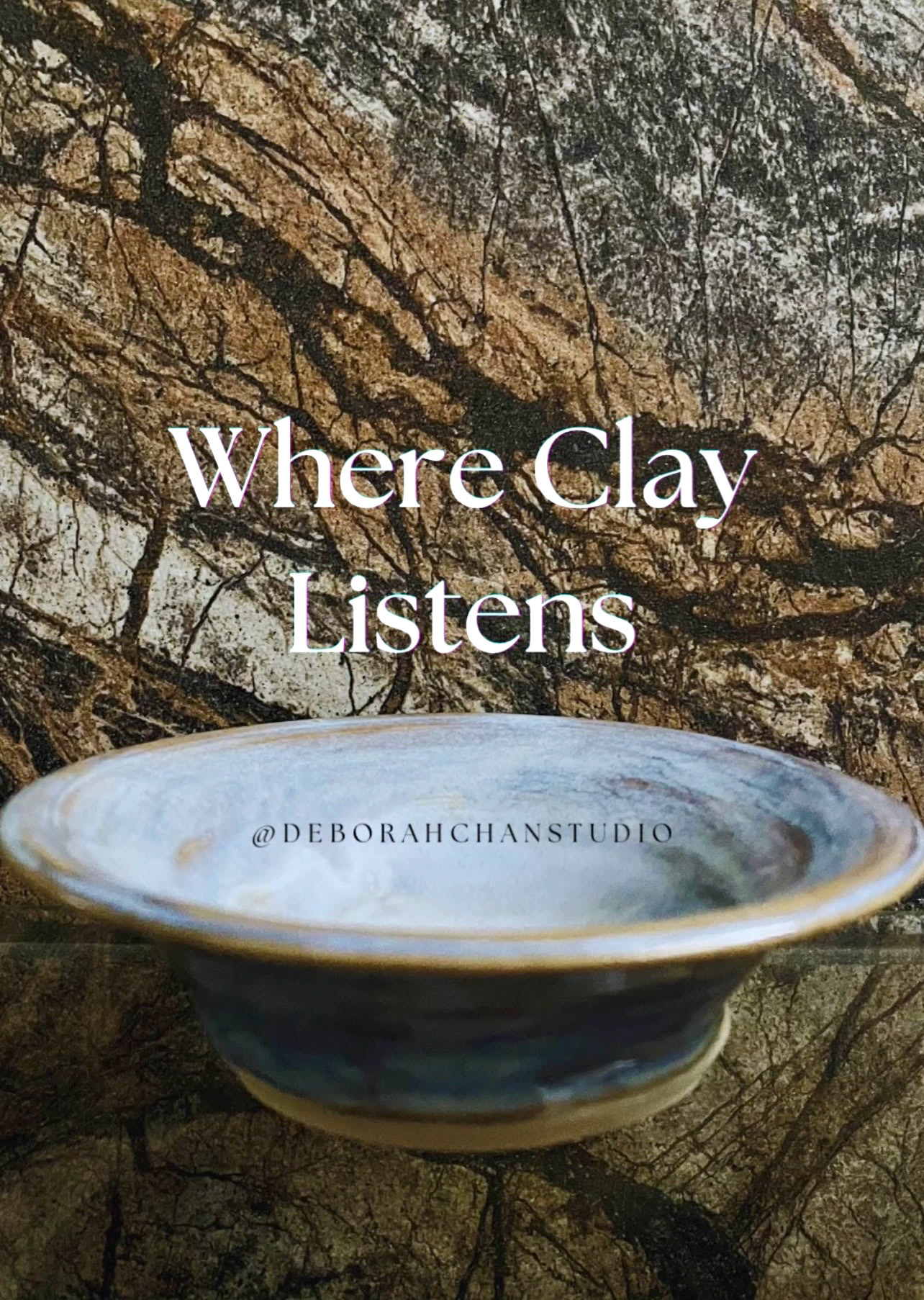
By Deborah Chan | 4.5.26
Where Clay Listens: The Gentle Art Of Leading.
Leadership rarely needs to roar to be effective. Often, it works best as a quiet craft—more like shaping clay than commanding a crowd. Like a potter’s hands, gentleness may seem soft, but it is guided by experience, intention, and quiet authority.
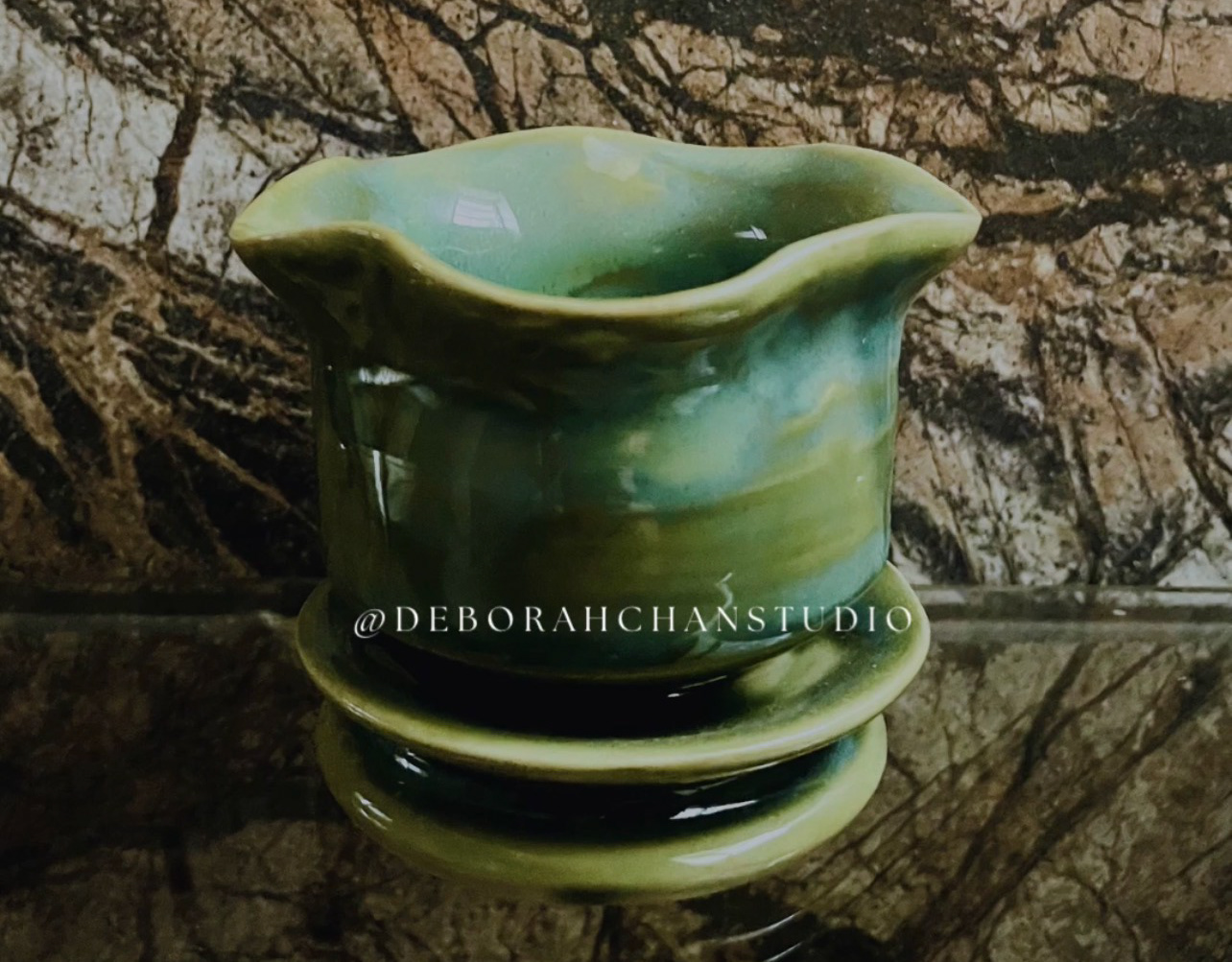
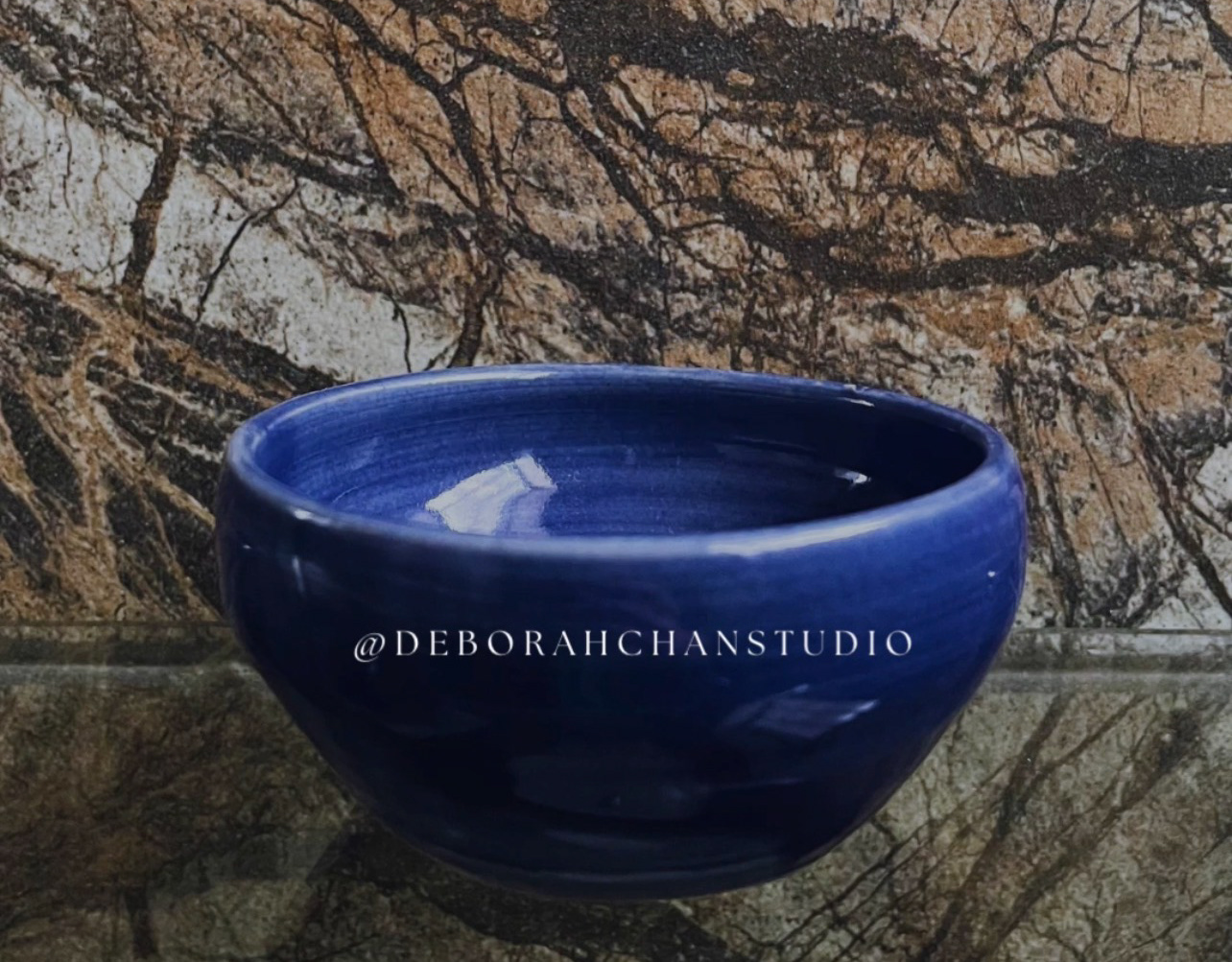
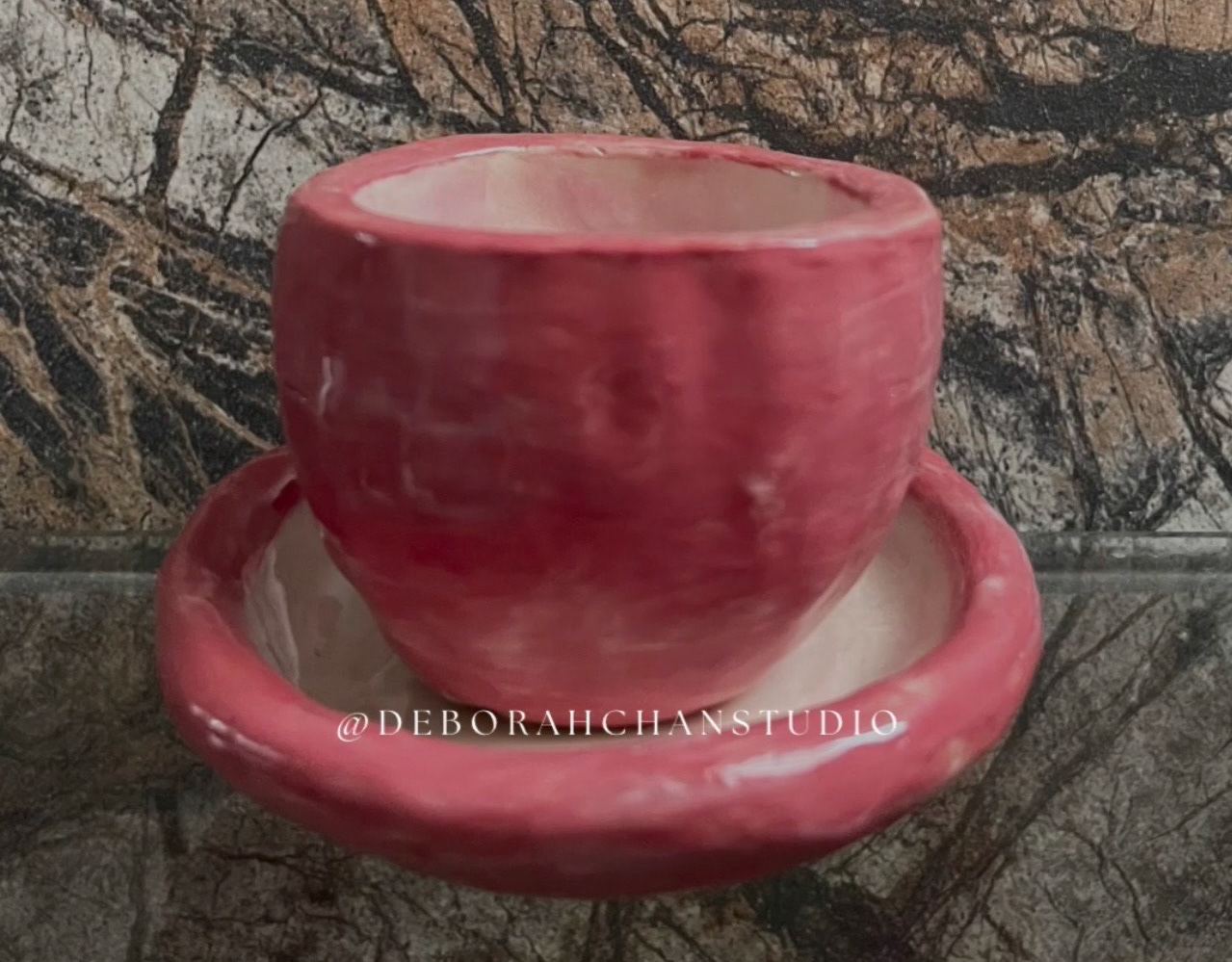
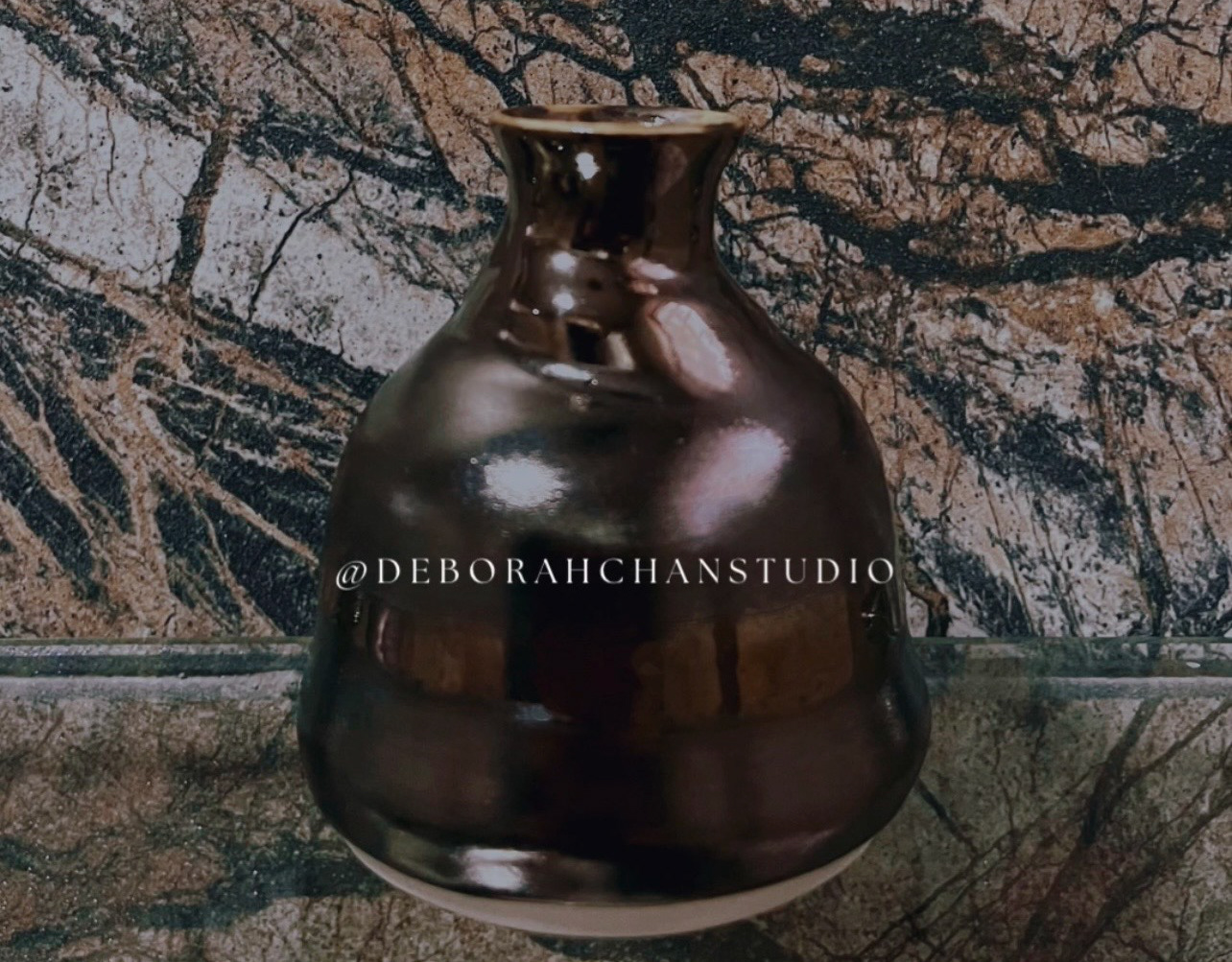
Leadership Is Like Shaping Clay
People, like clay, are shaped by how they are handled. Force can harden or break them, but gentle, consistent guidance helps them grow into their potential. The best leaders don’t impose shape—they help people emerge.
Build Trust First
Before anything meaningful can take form, the clay must be centered. People, like clay, respond to how they’re handled. They don’t thrive under force; they grow through steady, thoughtful guidance. In leadership, this means creating a sense of safety, clarity, and alignment. When people feel secure and understood, they’re ready to be guided.
Stay Flexible
From there, leadership becomes an act of awareness. Just as a potter adjusts their hands to the movement of the wheel, great leaders stay aware and adaptable, adjusting their approach with care instead of reacting with control.
Don't Overwork
Not every moment calls for intervention, too much handling can ruin the clay. Likewise, over-managing can limit growth. Sometimes the most powerful move is to step back, trust the process, and allow people the space to develop on their own.
Gentleness Is Strength
Gentleness in leadership is not softness without strength. It requires discipline to listen, restraint to hold back, and courage to lead with empathy instead of pressure. It leaves a deeper, more lasting impact than force ever could.
The most effective leaders don’t shape others through force, but through the art of touch—knowing when to guide, steady, or simply hold space. Like clay in skilled hands, people don’t need control to grow into something meaningful. They need care, patience, and above all, gentleness.
Disclaimer: This content was created with the assistance of artificial intelligence. All concepts, ideas, and themes are solely owned and originated by the author. The AI tool was used solely as a writing aid and does not claim ownership of the concepts or creative direction.